Skip to main content

ARTICLES / OCTOBER 24, 2025
Risk Imperative for Renewable Energy in the Philippines
4 MIN READ
The Philippines is at a defining crossroads in its energy journey. As economic expansion, urbanization, and population growth accelerate, so does the country’s energy demand with the Department of Energy (DOE) projecting a 4–5% annual increase in electricity consumption and total demand expected to double by 2040 under the Philippine Energy Plan. This growing need, coupled with mounting pressure to reduce reliance on fossil fuels, has placed renewable energy at the center of the country’s development agenda.
Government initiatives such as the Electric Vehicle Industry Development Act and the Green Energy Option Program are attracting investments into solar, wind, hydro, geothermal, and biomass energy. The country is naturally positioned to lead in clean energy, given its wealth of geothermal reserves, expansive coastlines, and consistent sunlight. Yet despite this promise, renewables only make up a fraction of the current energy mix. As of 2023, over 75% of power generation still came from gas and coal, with coal alone contributing over 50%, leaving the country exposed to both climate vulnerabilities and global fuel price shocks.
But transitioning to renewables is not just about installing solar panels or wind turbines. It requires a fundamental shift in how infrastructure is financed, built, insured, and maintained. Each type of renewable energy comes with unique risk profiles that must be understood and addressed early in the project lifecycle. From natural hazard exposure to regulatory gaps and grid reliability, these risks, if unmanaged, could delay timelines, inflate costs, or compromise long-term viability.
Solar power, for example, is highly scalable and abundant in the Philippines, yet vulnerable to typhoon damage, panel theft, and fluctuating irradiance due to cloud cover. With many installations concentrated on rooftops or remote lands, insurers and investors alike must account for physical damage, mounting structure failures, and maintenance lapses that could reduce output or interrupt operations.
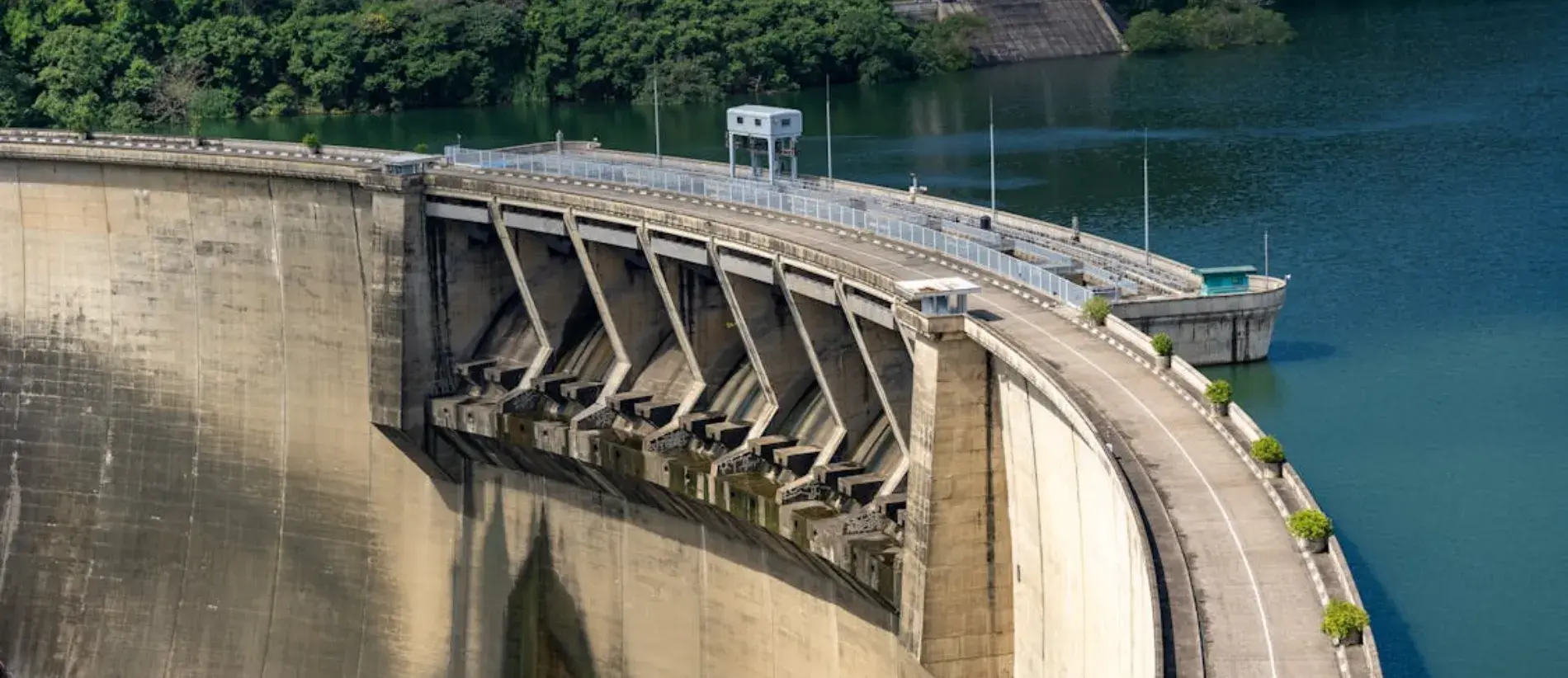
Hydropower, while dependable for base-load capacity, carries significant risks of flooding, dam failure, and upstream sedimentation. All of which are exacerbated by extreme weather and poor watershed management. Run-of-river systems, popular in provinces like Benguet and Bohol, are also at risk from seasonal changes in water flow and environmental compliance concerns.
Wind energy continues to expand, particularly in Ilocos Norte, where favorable conditions have helped scale turbine installations. However, these assets are also exposed to mechanical breakdowns, lightning strikes, and logistical risks during transport and maintenance. Offshore wind, though promising, presents additional challenges in terms of marine safety, cabling infrastructure, and higher installation costs.
Geothermal energy, one of the country’s greatest untapped assets, benefits from reliability and low emissions but is not without risk. The very geological activity that makes the Philippines ideal for geothermal development also increases exposure to earthquakes and volcanic events. Furthermore, site exploration is capital-intensive and technically complex, requiring robust geological risk assessments and drilling strategies.
Biomass, already deployed in sugarcane regions like Negros Occidental, is a renewable option that leverages agricultural waste but can be hampered by fuel supply volatility, transportation costs, and regulatory oversight on emissions. Without a strong supply chain and localized feedstock availability, biomass projects may struggle with long-term consistency and efficiency.
Aside from technology-specific risks, broader systemic issues also challenge the renewable energy transition. The Philippines’ archipelagic layout complicates transmission and grid integration, with many renewable sites located in off-grid or hard-to-reach areas. Regulatory bottlenecks can hinder project development and investor confidence.
These challenges do not make renewable energy less viable, they simply underscore the need for proactive risk management. A growing need for structured risk assessments at every stage of energy development is needed, from feasibility studies to post-construction operations. Developers must evaluate environmental, social, and financial exposures unique to each site and technology. Tailored coverage solutions such as weather-indexed insurance, equipment breakdown policies, and business interruption protection can mitigate financial losses in the event of disruption.
Equally important is resilience planning. This includes safeguarding transmission infrastructure, ensuring redundancy in energy sources, preparing contingency protocols for natural disasters, and investing in long-term maintenance. Public-private partnerships and insurer-broker collaborations can also help de-risk investments and improve bankability for developers seeking financing from multilateral institutions or green bonds.
As we shift toward cleaner power sources, identifying vulnerabilities early and aligning policies to emerging exposures, we help turn risk into opportunity and support the country’s ambition for a sustainable and resilient energy future.
Transform sustainability goals into secure investments. Lockton provides risk management and insurance strategies that empower renewable energy projects to thrive amid regulatory, environmental, and market challenges.
by Edel Gregorio
Vice President & Head Business Development
You're viewing the preview environment, which displays the latest draft of all content.